My story
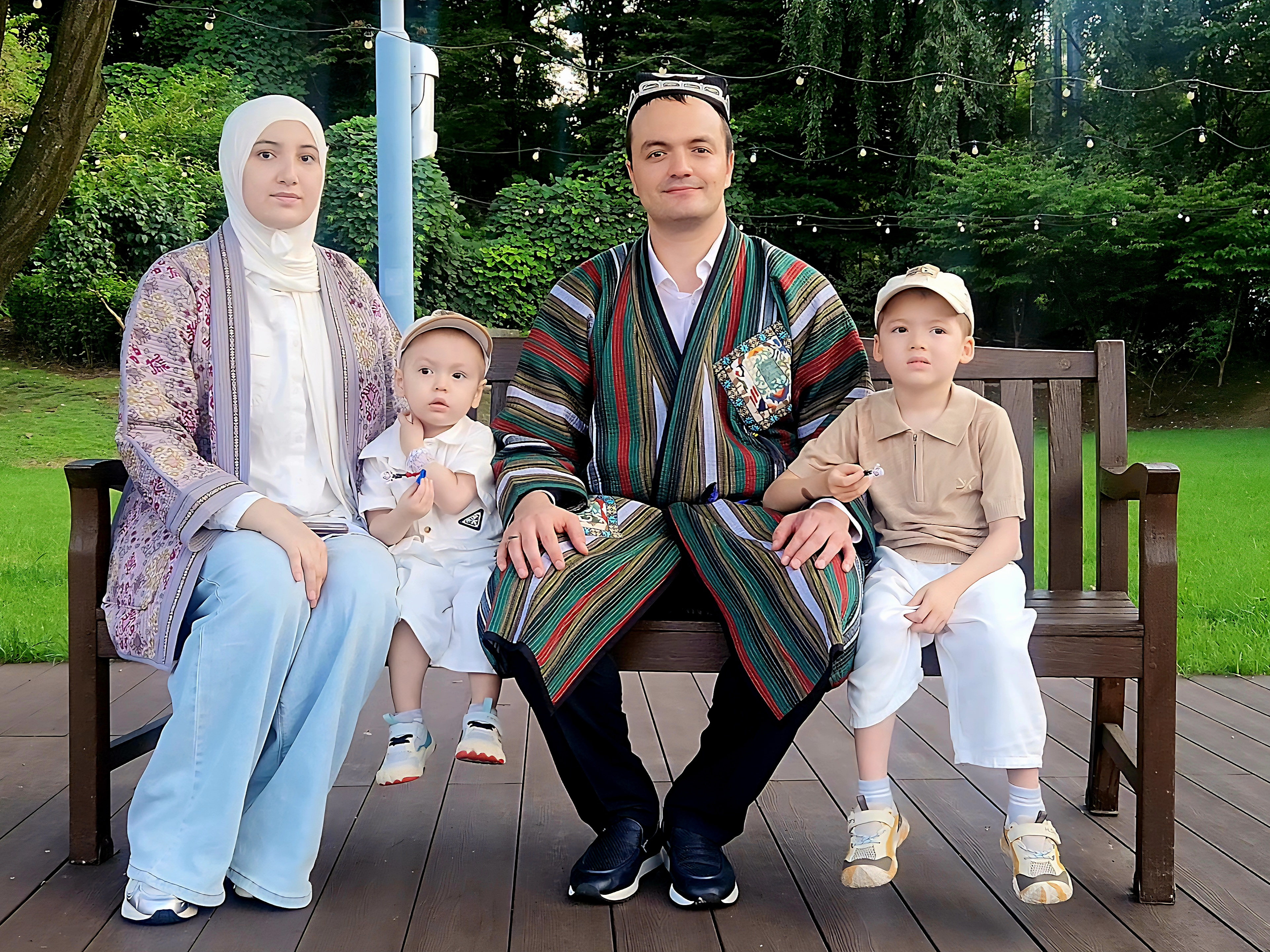
In September 2025 I came to Korea to do a PhD at Seoul National University. I’m on a full scholarship with a monthly stipend, and I also do research in a lab at SNU. When I moved to Korea, my wife and our two children had to stay behind in Uzbekistan. I had to wait six months before I could bring them over, and I spent that whole time preparing for the F-3 visa. Once the six months were up, we applied, and my wife and both children got their F-3 visas on the first try. Other people’s experiences helped me enormously along the way, so I decided to write down how I prepared, too.
You might think a PhD student with a full scholarship and a monthly stipend would have little trouble getting visas for their family. Yet I knew people who were better off financially than me and still couldn’t get visas for theirs. So instead of counting on being a PhD student with a stipend, I spent the six months from the day I arrived in Korea getting my documents ready and setting up everything my family would need.
Preparation
What helped me most was other people’s experience. I talked to people who had applied for the F-3 before, especially those who had been refused. Which documents they had submitted, why they thought they were refused, what they changed when they reapplied — I asked about all of it. Then I started preparing, based on my own situation.
One more thing is worth saying here. If you’re applying from Uzbekistan, ask your visa agency to map out a route for your specific situation. Don’t settle for a generic “these are the documents you need”: explain your situation in detail and ask exactly what you should prepare. Among the people I spoke to who were refused, some had agencies that took their documents a little too lightly. Just as often it was the other way round: the agency named the right documents, but they weren’t prepared carefully enough. So handing all the responsibility to the agency isn’t right either.
While preparing for the F-3, I held on to one key idea: the Korean Embassy in Tashkent judges you almost entirely by your documents. With an interview, you might explain your situation yourself and show how sincere you are. Without one, you have to say all of that on paper. In other words, your documents speak for you. To my mind, the whole F-3 question comes down to two things: can you convince the embassy that you can support your family in Korea, and that you will leave Korea when your permitted stay ends? I tried to prepare my documents so that, above all, they answered these two questions.
Question 1: financial support
One of the things I paid most attention to was my bank account. From the very first month I saved my stipend, spending as little of it as I could. Small sums also came from Uzbekistan through the bank every month, and I cut my expenses as far as possible. A month before applying, I borrowed the rest from friends for one month (if you’re reading this, thank you once again for your help 😄). In the end I had about 40 million KRW ready in my Korean account.
It wasn’t only about the balance: I also prepared my bank history for the last six months. It showed the money growing steadily over those six months, and you could see where each deposit came from. Even a month before applying, my account held close to that amount. And after getting the bank certificate, I kept the money in the account until the visa decision came out.
We prepared separate financial documents in Uzbekistan as well. We deposited 20,000 US dollars at KDB Bank in my wife’s name, about a month before applying, and withdrew it once the visas were issued. I also got official records of the property in my name in Uzbekistan through MyGov and added them to the documents.
I prepared our home in advance too. Before my family arrived, I moved into SNU’s family dormitory. I set up a separate room and separate beds for the children, along with books, kitchenware and everything else needed for daily life. To show that the dormitory was ready for a family, I submitted photos along with documents confirming my address.
Question 2: showing you will return to Uzbekistan
Another important point was showing that I would return to Uzbekistan after my studies. For this, the organization I used to work for in Uzbekistan gave me a letter stating that I would come back and work for them once I graduate, and I added it to the documents.
In Korea, I got an extra letter from my advisor. It confirmed that I am their PhD student, that I do research under their supervision, and that they could help me if needed during my studies. This wasn’t an officially required document either, but I submitted it as an extra.
As a result, my wife and two children, all three members of my family, got F-3 visas on the very first try.
Note: most of the documents I’ve described are not officially required for the F-3 visa. I prepared them as extras, based on my own situation. So please don’t treat this post as a guide that says “this is exactly what you must do to get an F-3”. Everyone’s situation is different. My experience may not tell you what to do, but at the very least it can help you work out what not to do.
Final words
If you have questions about the F-3 or want to know more about the documents I prepared, you can message me on Telegram: @rashidtojiboyev.
Comments
Comments come from our Telegram channel. Sign in with Telegram to join the discussion.
Open the discussion in Telegram